
About Corryville Restoration
The Owner and His Background in Water Damage
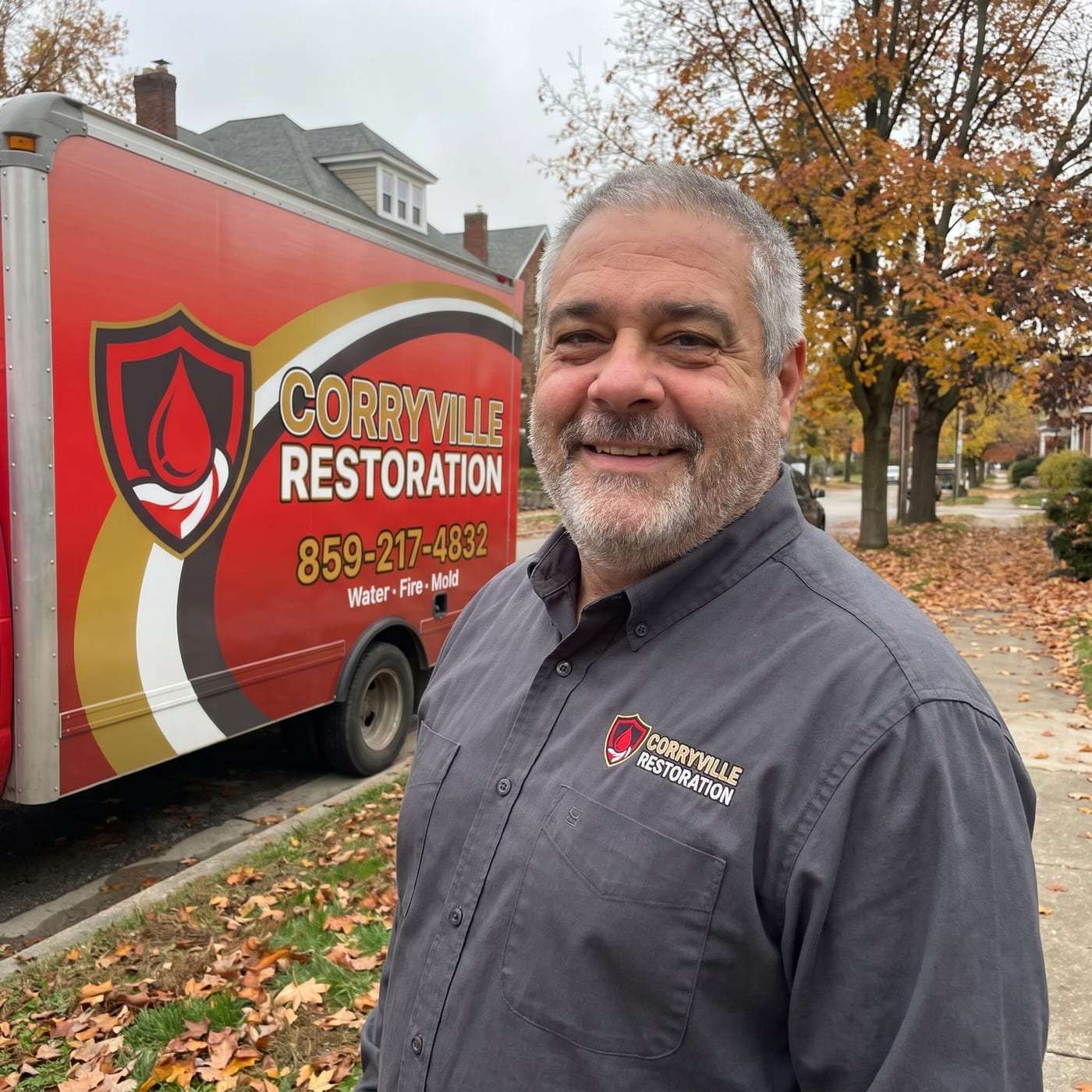
Anthony Collins started Corryville Restoration in 2013 and runs the company as its owner. Water damage is the work he knows best: burst pipes, flooded basements and the drying out that follows. In Cincinnati both are tied to the weather, as freeze-thaw winters split pipes and heavy spring rains push water into basements.
He also works on fire and smoke cleanup, and on mold that appears when moisture has sat too long. The three kinds of damage are often linked. The water used to put out a fire soaks rooms the smoke has already stained, and a leak that goes unnoticed for weeks becomes a mold problem behind the wall.
- Since 2013
- Certified Technicians
- Locally Owned
- Your Satisfaction, Guaranteed
- Emergency Services
Practices That Stay the Same on Every Job
Whatever caused the damage, four practices shape the way Anthony Collins handles a job, from the first look at the rooms to the last visit.
Urgent Work Separated From Work That Can Wait
Anthony Collins walks through the damage with the homeowner before writing an estimate, and he explains which repairs are urgent and which can wait. In restoration, the urgent items are usually the ones that let damage keep spreading: standing water, wet materials that can grow mold, an opening in a roof or a window. Repainting a stained ceiling or replacing trim can usually be scheduled once the structure is dry. Because the estimate is written after the walk-through, it reflects what the rooms actually show.
Moisture Measured Beyond the Visible Stain
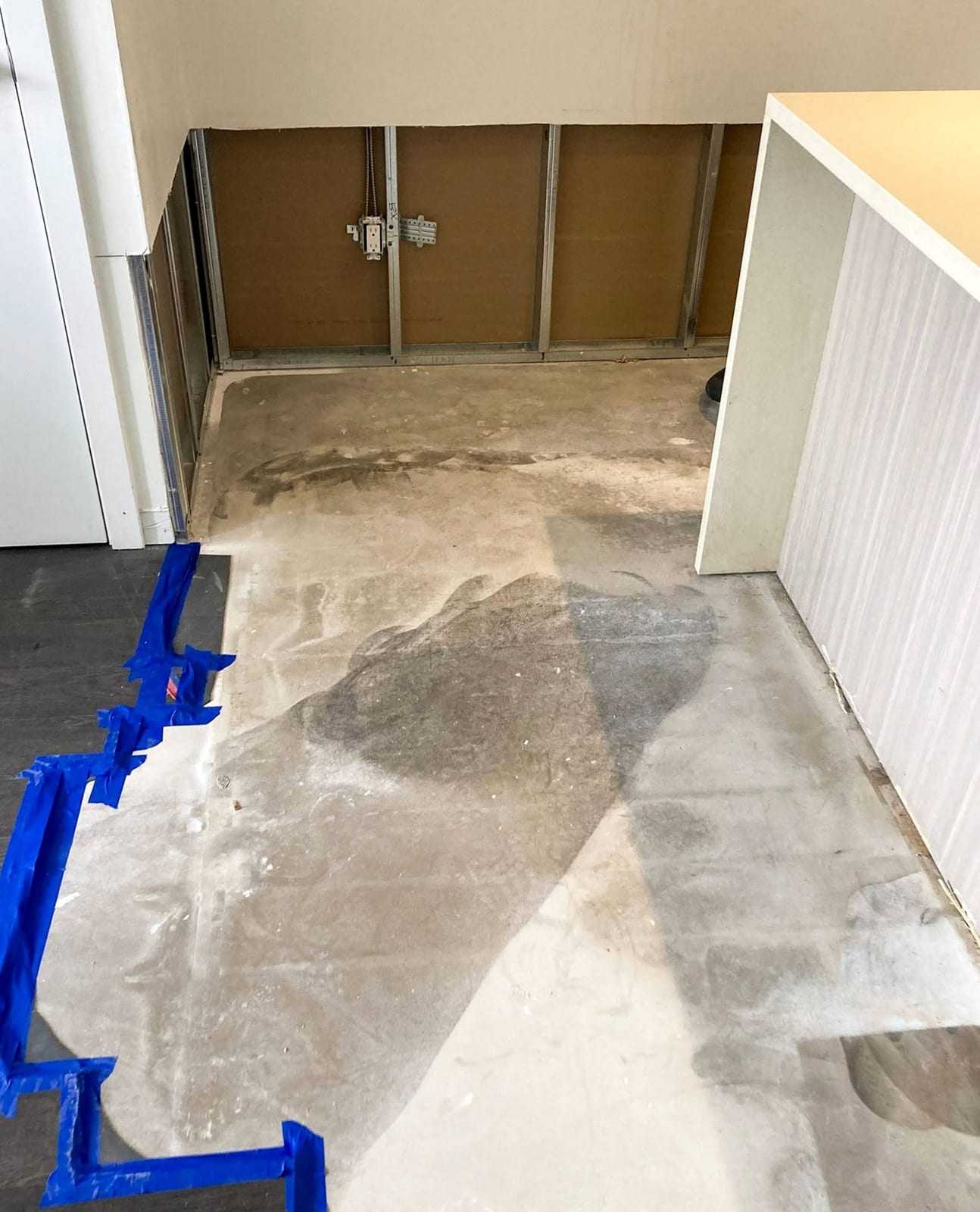
On any wet wall or floor, he always checks moisture readings well beyond the visible stain, because water usually travels farther than the damage shows. Drywall wicks water upward, subfloors carry it under flooring that still looks dry, and framing can hold it inside a wall long after the surface feels dry to the touch. Readings taken past the edge of the stain show where the wet area really ends, so the drying and any removal cover all of it.
Debris Cleared at the End of Each Day
Restoration produces debris: cut drywall, wet insulation, carpet pad and the dust that comes with them. Each day, Anthony Collins sweeps up and hauls out the debris so the rooms stay usable while the work goes on. In a house where people are still living, that keeps the hallways, the stairs and the rooms next to the work open for everyday use.
What Was Done and What Comes Next
After every visit, he calls or texts to say what was done and what comes next. A drying job usually runs over several days, with the equipment checked and moved as the materials dry, and a short report after each visit lets the owner plan around the work instead of guessing at it.
Jobs the Company Takes On
Corryville Restoration takes on the following kinds of work, which together make up its restoration services:
- Water damage restoration: cleanup after burst pipes, appliance leaks, overflows and flooded basements.
- Water extraction: removal of standing water from floors, carpet and basements before drying starts.
- Structural drying: drying framing, subfloors and walls in place with air movers and dehumidifiers.
- Mold remediation: removal of materials with mold growth, and cleaning of the structure behind them, where moisture has sat too long.
- Fire and smoke damage cleanup: cleaning the rooms, surfaces and belongings a fire has reached.
- Soot removal: lifting the black or gray residue that smoke leaves on walls, ceilings and fixtures.
- Odor control: treating the smoke, mold and water odors held in fabrics, framing and ductwork.
- Board-up after storms: covering broken windows, doors and roof openings until permanent repairs are made.
Homes and Buildings the Company Works In
The company works on single-family houses, brick rowhouses, rental buildings and small commercial spaces in Cincinnati and neighborhoods such as Clifton, Oakley and Norwood, all within its Service Area.
Each kind of building changes the job. In a single-family house, the people who live there make the decisions, and the basement is often where water collects. A brick rowhouse shares its walls with the houses on either side, so water can arrive from next door as easily as from inside. A rental building adds tenants whose notice and access have to be arranged, and a small commercial space usually needs to stay open, or to reopen as soon as it safely can.
Reaching Corryville Restoration
To have water, fire, smoke or mold damage looked at, book an appointment for a visit, or call first to describe what happened.