
Emergency Damage Service in Cincinnati
Where to Start When the Damage Is Still Happening
In a damage emergency, the order of the steps matters more than their speed: people first, then the source of the damage, then the call for help. Fire, smoke or a smell of gas is a matter for 911 before anything else, and water touching live electricity is a reason to keep everyone out of the room. Once everyone is safe, stopping the water and closing the building to the weather limit how much has to be torn out later.
Emergency Urgency Checker
Answer the questions, then press Show the Next Step.
Calls to (859) 217-4832 are answered during business hours. Outside them, the same safety steps apply, and an appointment can be booked with a short description of the damage.
Safety Steps Until Help Arrives
- Get everyone out and call 911 for fire, smoke, a smell of gas or sparking electrical equipment.
- Keep out of standing water that may be touching outlets, cords, appliances or the electrical panel.
- Shut off the water at the main if a pipe, fixture or appliance is still leaking and the valve can be reached safely.
- Stay out from under sagging or bulging ceilings, and away from floors and walls that have burned or shifted.
- Keep children and pets away from sewage, floodwater and soot.
- Turn off the furnace or air conditioning if smoke, soot or water has reached it.
- Close doors and windows that still work, and move belongings away from any opening in the roof or walls.
- Photograph the damage before anything is cleaned up or thrown away.
Emergency Jobs and the Work That Stops Further Damage
Emergency work in the restoration trade is called mitigation: it stops the damage from growing before anything is rebuilt. Water is removed before it soaks deeper, contaminated materials are taken out before they spread bacteria and odor, and openings are closed before the next rain. Rebuilding comes afterwards, once the building is dry, clean and secure.
- Burst pipe. Extraction, removal of soaked drywall, insulation and flooring, and the start of structural drying once the supply is shut off.
- Flooding. Pumping out a basement or ground floor after heavy rain or a failed sump pump, followed by extraction and drying.
- Sewage backup. Category 3 cleanup: removal of the porous materials the water touched, then cleaning and disinfection of the hard surfaces.
- Fire and smoke damage. Keeping soot out of clean rooms, protecting belongings and drying out the water used to fight the fire.
- Storm and roof-leak damage. Removing water that came in through a roof, wall or window, and drying the ceilings and rooms below.
- Board-up after damage. Plywood over broken windows and doors, closing the building to weather and intruders until permanent repairs are made.
Water Emergencies
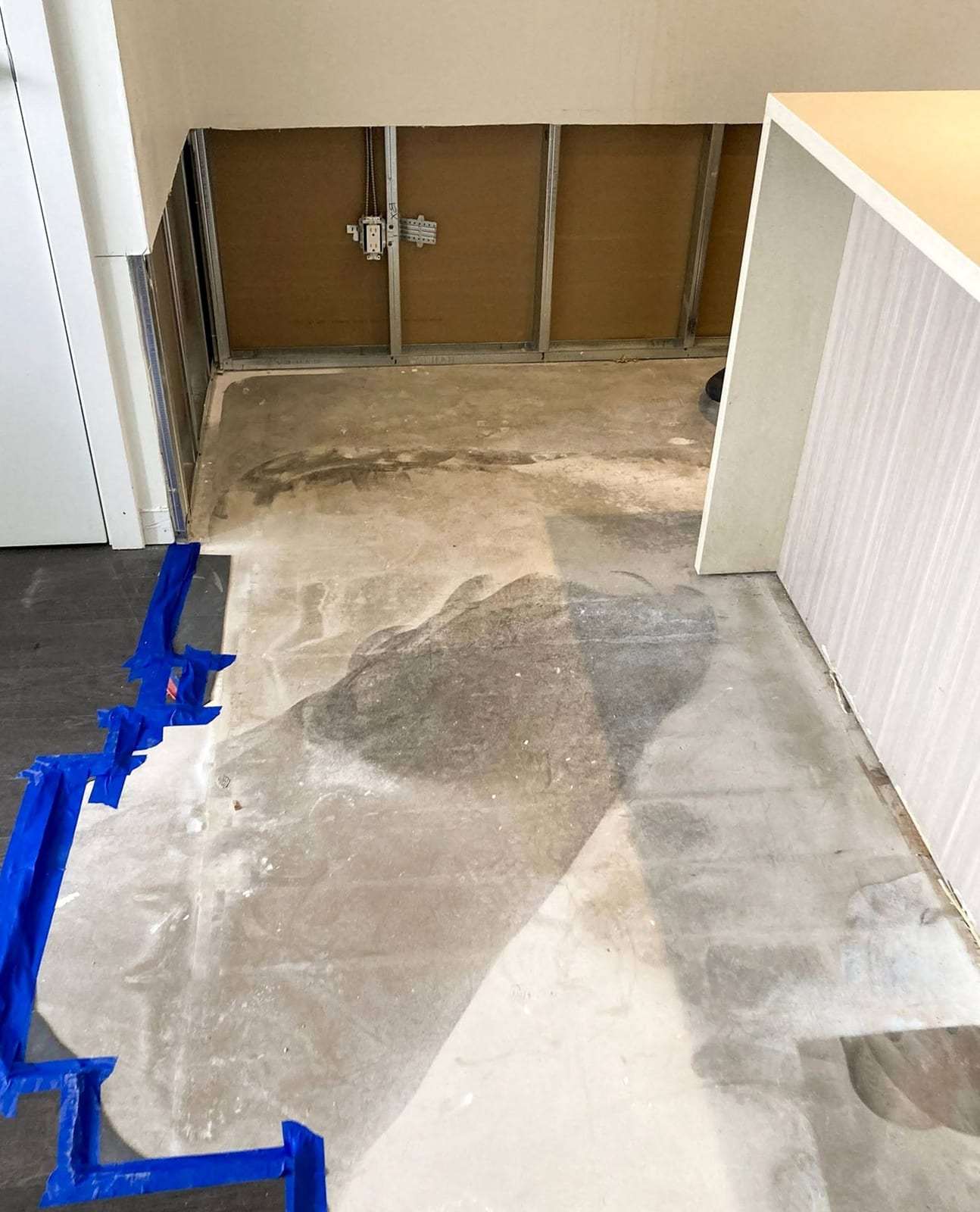
In a water emergency, some removal usually happens early. Carpet pad and soaked insulation come out, drywall is often cut away above the wet line so the wall cavity can dry, and a stained slab or subfloor is left open to the air. It can look like more damage than the water did, but it is what allows the structure to dry before mold takes hold.
In Cincinnati, winter cold snaps burst pipes that run through outside walls, and heavy summer thunderstorms overload drains and push water into basements. Either way, the water keeps spreading through porous materials until it is extracted, and the structural drying that follows usually runs for several days.
Fire and Storm Emergencies
After a fire, emergency work is mostly about stopping secondary damage: soot is acidic and keeps etching surfaces, firefighting water keeps soaking in, and broken windows let in weather. The building is secured and the water extracted first, and the soot and smoke cleanup is planned once the building is safe.
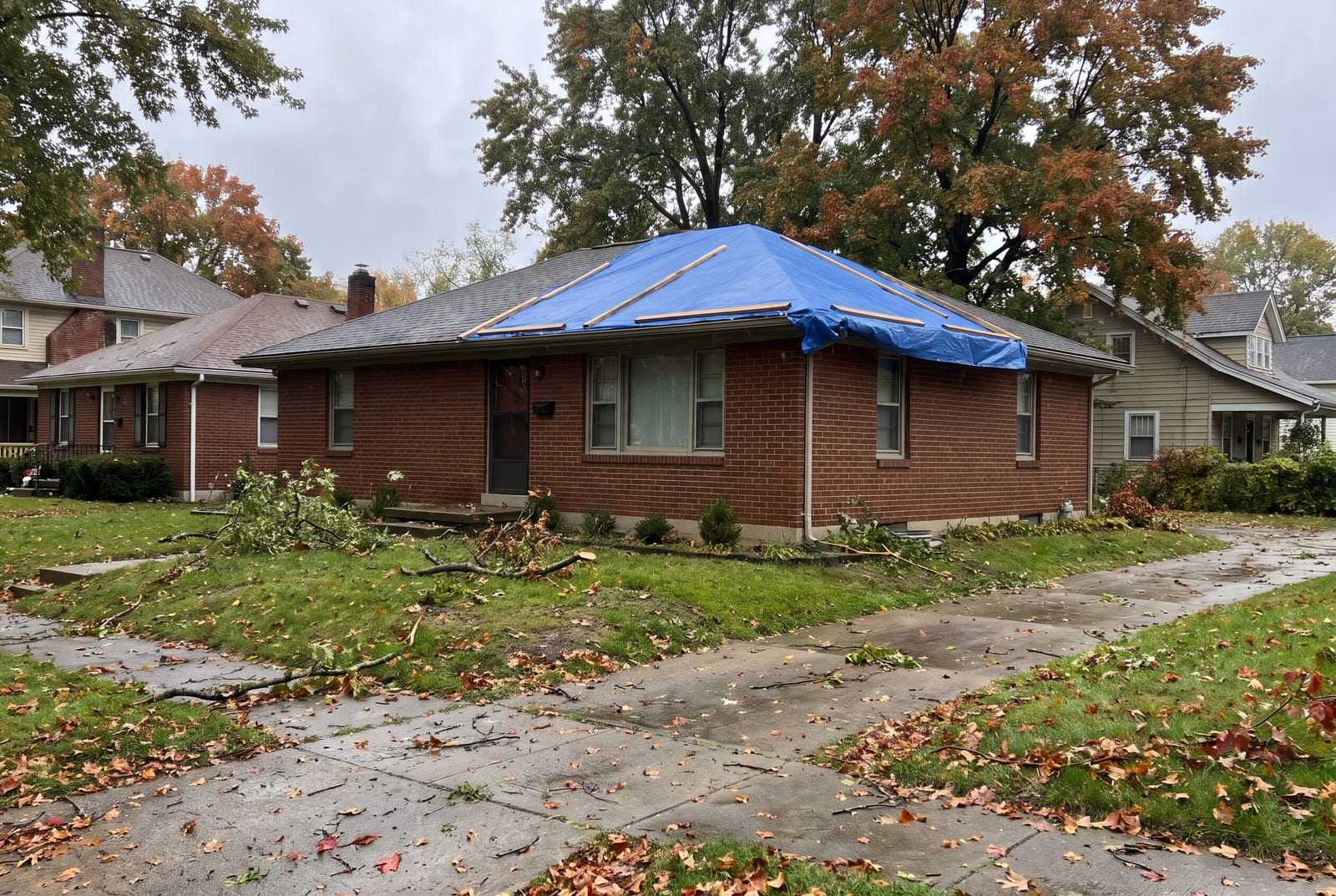
After a storm, an opening in the roof or a wall is usually covered with a fastened tarp or plywood until permanent repairs can be made, and the water that came in is removed from the attic, the ceilings and the rooms below before it spreads.
First Steps After a Burst Pipe or a Fire
What should be done first when a pipe bursts?
Shut off the water. If the pipe has its own valve nearby, closing that is enough; otherwise close the main. Then open a faucet on the lowest floor to drain the water left in the pipes.
Next, deal with the electricity: if water has reached outlets, fixtures or the panel, keep out until the power has been cut safely. After that, move what can be moved off the wet floor, photograph the damage and request help. The sooner extraction starts, the less material has to come out.
Where is the main water shutoff usually found?
In a house with a basement, usually on the foundation wall that faces the street, where the water line comes in, often next to the meter. In a house built on a slab, it is often near the water heater, in a utility closet or in the garage. An older gate valve with a round handle takes several clockwise turns to close; a lever-handled ball valve closes with a quarter turn. Finding it before anything goes wrong saves minutes when they matter.
What should be done first after a fire has been put out?
Wait for the fire department to say the building is safe to enter, and leave the gas and electricity off until they have been checked. Broken windows, forced doors or an open roof need to be boarded or covered before the next rain.
Inside, touch as little as possible: soot smears and sets when it is wiped, and running the furnace spreads it through the ducts. Open windows if the weather allows, throw away food exposed to heat or smoke, and photograph the damage before the cleanup begins.
Is standing water near outlets dangerous if the lights are off?
It can be. A dark room does not mean a dead circuit: outlets on another circuit may still be live, and so may a wet appliance that is plugged in. Keep out of the water until the power to that area has been switched off at a dry panel, or by the electric utility if the panel itself is wet or can only be reached through water.
Why is a sewage backup handled differently from other water?
Sewage carries bacteria, viruses and parasites, and it is treated as the most contaminated category of water. Towels and a wet vacuum spread it rather than remove it. The porous materials it touched, such as carpet, drywall and insulation, are removed and discarded, the hard surfaces are cleaned and disinfected, and the area stays closed off while the work goes on.
Requesting Emergency Service
Once people are safe and the source of the damage is stopped or covered, call or book an appointment, and describe what happened, which rooms are affected and whether water is still spreading.