
Residential Restoration for Cincinnati Homes
Damage in a house rarely stays a single problem. A leak soaks a floor, the household still needs a kitchen and a bathroom, and the furniture has to go somewhere while the drying runs. Corryville Restoration restores single-family houses and brick rowhouses in Cincinnati after water, fire, smoke and mold damage, and boards up homes after storms.
Restoration in a home that people are still living in is planned differently from work in an empty building. The aim is to stop the damage from spreading, to dry what can be dried and remove what cannot, and to keep as much of the house in use as the damage allows.
Living in the House During Restoration
Many households stay at home through a water damage job, and the work is usually arranged with that in mind. The affected area is closed off with plastic sheeting, often with a zippered door, so dust and moisture stay in the work zone. Floors along the path from the entrance to the work area are covered, and a bathroom and the kitchen are kept working whenever the damage allows.
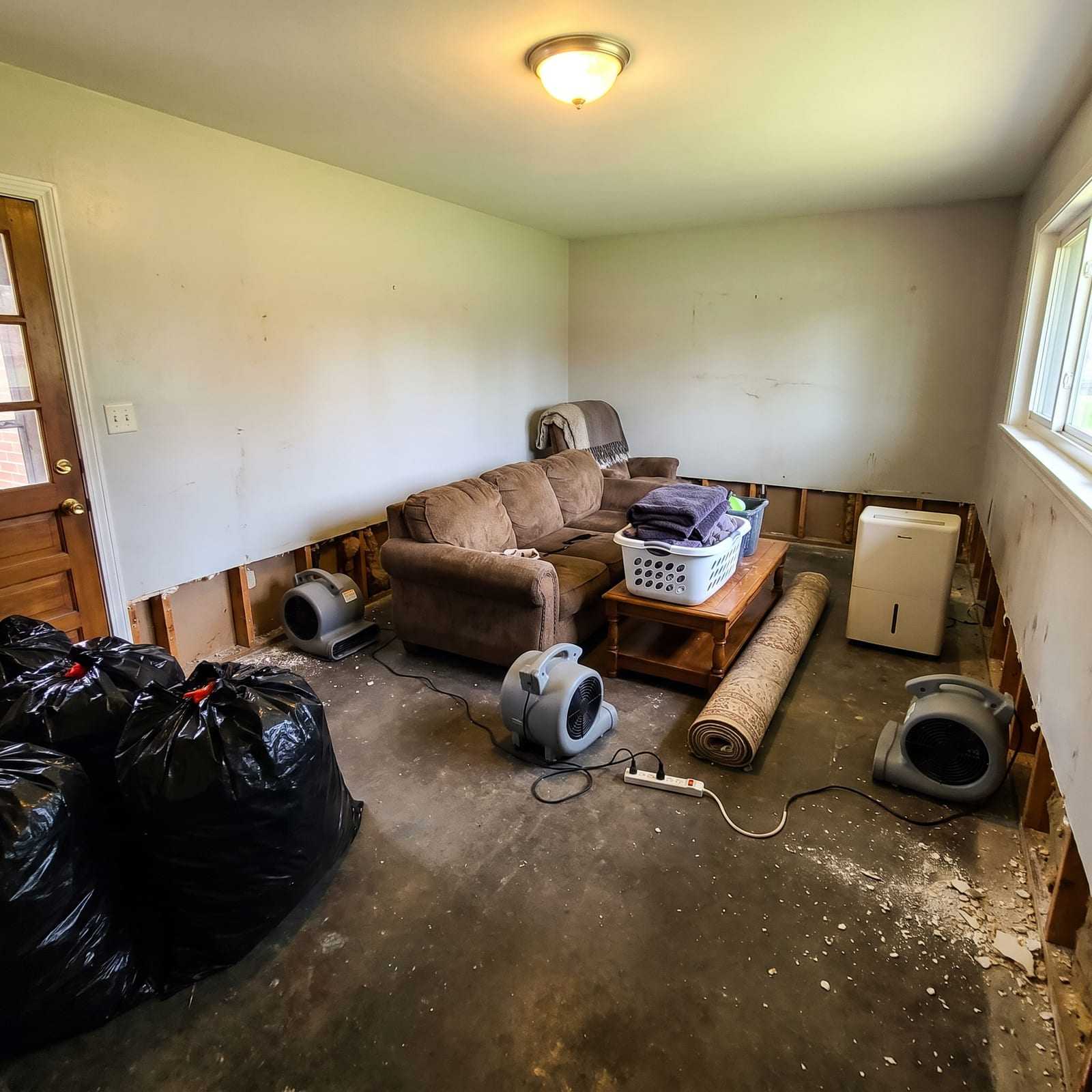
Drying equipment changes how a house feels for several days. Air movers are loud, and they run continuously with the dehumidifiers, overnight included, so the doors to the drying rooms stay closed and the machines are placed clear of walkways. They also draw a good deal of power, which is why they are spread across several circuits instead of sharing one outlet.
Smoke and mold call for more care. Where soot or mold is present, the heating and cooling system is usually switched off or its vents covered, so it does not carry particles into clean rooms, and a room under remediation is not a place to sleep.
Can a family stay in the house while it dries?
Usually, when the damage is confined to part of the house and the water was clean. Sewage, heavy mold growth or smoke spread through the house change that: the affected rooms should not be lived in until they are cleaned, and sometimes the household is better off elsewhere for a few days.
Do the air movers have to run overnight?
Yes. Drying depends on moving air steadily across wet materials and pulling the moisture out of the room. Switching the equipment off at night lets wood and drywall take moisture back from the air and can add days to the drying.
How should pets and small children be kept away from the work?
The equipment itself is ordinary, but cords, hoses, opened walls and cut drywall edges are hazards for pets and small children. Keeping them out of the work area, behind a closed door, is the simplest arrangement, and pet food and bedding are best moved out of any room with soot or mold.
Furniture, Belongings and Which Rooms Come First
Furniture comes off wet carpet and flooring as early as possible. Metal glides and wood legs left standing on a wet carpet leave rust and stain marks, and upholstered pieces wick water up from the floor. Pieces that stay in a wet room are usually set on blocks or foil tabs, and the rest go to a dry room. Papers, photographs and anything else that cannot be replaced are worth moving first.
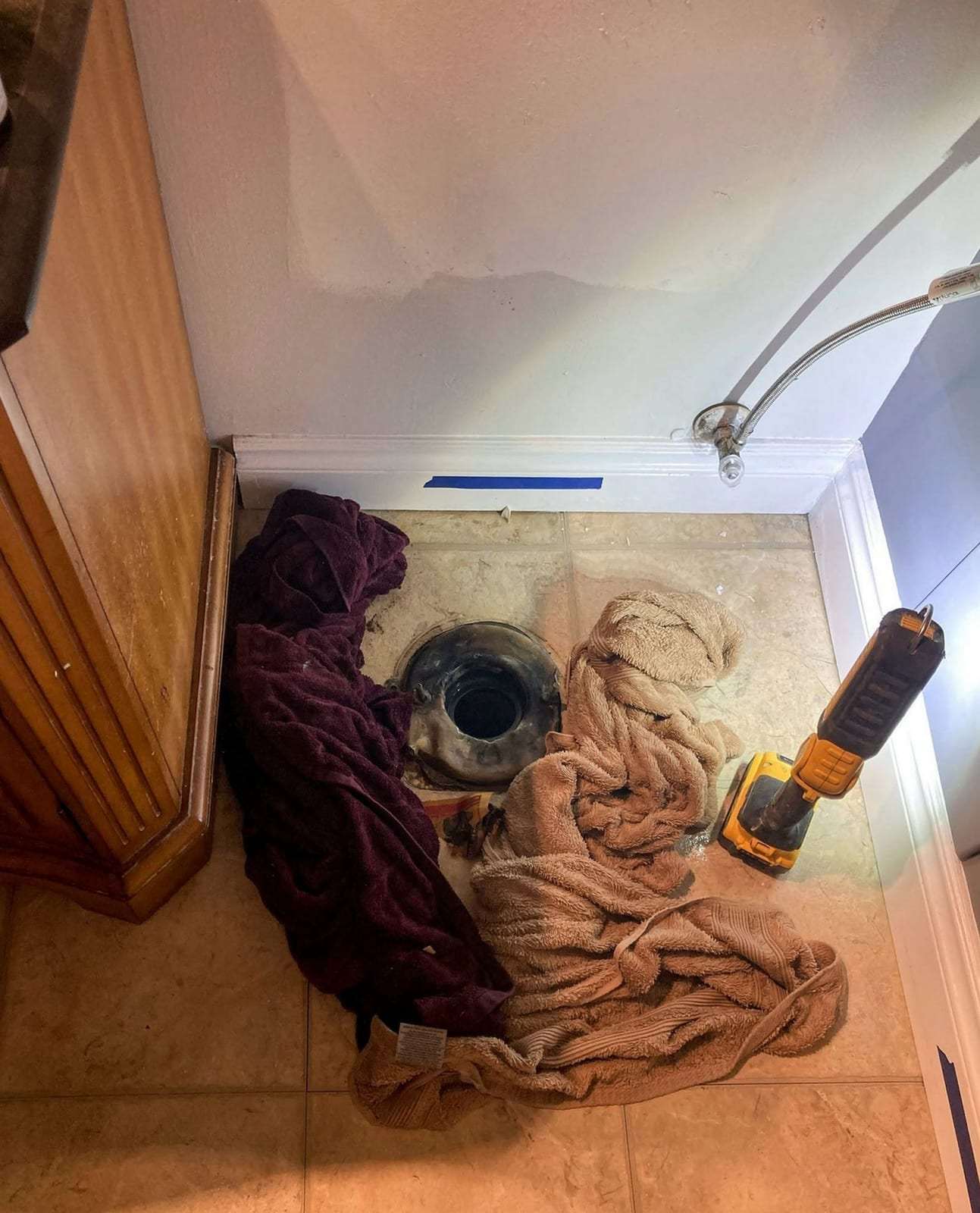
Which room comes first depends on where the water started and where it is still spreading. A bathroom is often both the source and a room the household needs back quickly. After a toilet overflow or a failed supply line, the toilet usually has to come up so the floor and subfloor around the drain can be dried, and it goes back down on a new wax ring. A water line on the wall above the baseboard shows how high the drywall has wicked.
After the source room, the order usually follows the materials that suffer most from waiting: hardwood floors that will cup, finished basement walls and anything carpeted. Bedrooms and living rooms return to use as soon as they are dry, and repainting and trim come last, once nothing is left to dry out.
Work That Applies to Homes
The services that apply to a house depend on what caused the damage:
- Water: burst pipes, appliance and toilet leaks and wet basements call for extraction, drying and removal of soaked materials, the core of water damage restoration.
- Fire and smoke: soot on walls and ceilings, smoke odor in fabrics and ductwork, and the water left by firefighting are the work of fire and smoke damage restoration.
- Mold: growth behind walls, under sinks and in basements is located during a moisture and mold inspection and removed during remediation.
- Storms: broken windows and roof openings are covered by emergency board-up until permanent repairs can be made.
- Repairs: drywall, ceilings, subfloors and trim are restored through repair work once the structure is dry.
- Replacements: insulation, drywall and flooring that cannot be saved are removed and installed new through replacement work.
Finished Basements and Older Rowhouses
The kind of house shapes the work as much as the kind of damage. In a single-family house, the basement is often where water ends up, whether it comes from a failed water heater, a backed-up floor drain or rain working its way through the foundation.
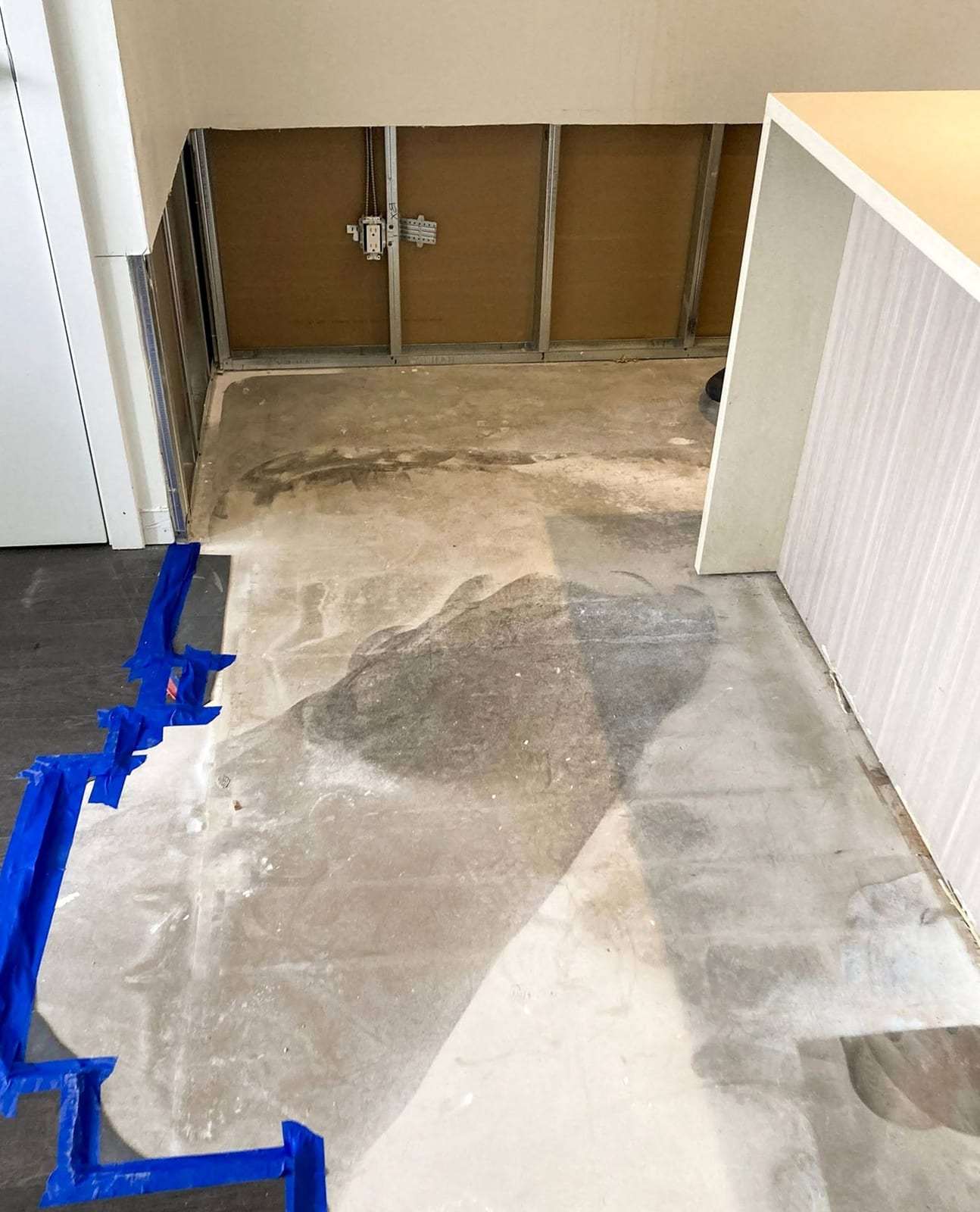
When a finished basement takes on water, the lower part of the drywall is usually cut away along a straight line above the wet area, the soaked insulation behind it comes out, and the slab and framing are dried before anything is rebuilt. Carpet pad that has soaked up water is nearly always discarded, while the carpet itself can sometimes be dried and relaid if the water was clean and the drying started quickly.
Cincinnati’s older brick rowhouses bring conditions of their own. Shared party walls mean water can arrive from a neighbor’s leak, and a repair on a party wall may involve the house next door. Original hardwood floors need slow, controlled drying to keep them from cupping and cracking, and a tall, narrow stairway limits how equipment comes in and how debris goes out.
Planning Restoration Around a Household
When a household has to live around water, smoke or mold damage, an early visit settles which rooms can stay in use and which cannot. Book an appointment, or call to go over the damage first.