
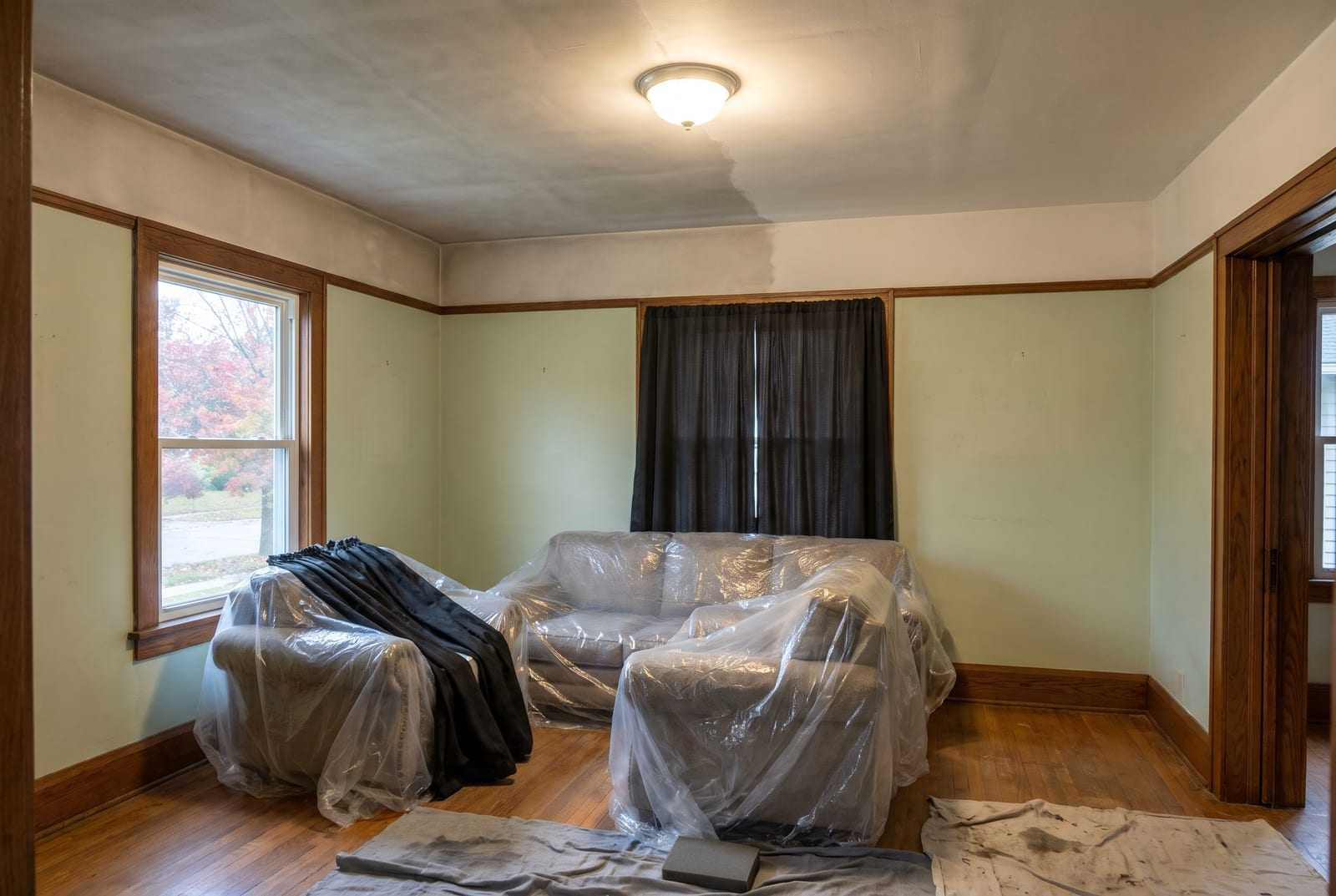
Fire and Smoke Damage Restoration
What a Fire Leaves Behind in a Building
Fire and smoke damage cleanup is the second main line of work at Corryville Restoration, alongside water damage. It covers soot removal, odor control and the cleanup of rooms the flames never reached, which can be most of the building: smoke travels well beyond the fire, and the water used to put it out does damage of its own.
Smoke follows heat and moving air. It rises to the ceilings, travels through stairwells, ductwork and the gaps around pipes, and settles on cooler surfaces such as exterior walls, closets and the backs of cabinets. The residue is acidic: left in place, it yellows plastics and grout within days and can etch glass, corrode metal and stain finishes past cleaning in the weeks that follow. Cleanup is best started as soon as the building is safe to enter.
Dry Soot, Oily Soot and Protein Residue
What burned decides what the residue is, and the residue decides the cleaning. A fast, hot fire in paper and wood leaves dry, powdery soot that can often be vacuumed and sponged off. A slow, smoldering fire in plastics, foam and synthetic fabrics leaves oily soot that smears at a touch and carries a strong odor. Burned food leaves protein residue, a thin yellowish film that is hard to see but greasy and strong-smelling, and a misfiring oil burner, known as a puff-back, sends a fine black film through the ducts into every room they serve.
| Damage type | Surfaces affected | Restoration work |
|---|---|---|
| Soot on walls and ceilings | Painted drywall and plaster, the ceilings over the fire, cool exterior walls, cabinet faces and light fixtures. | Dry soot removal first, with HEPA vacuums and dry soot sponges, then a degreasing wash; a stain-blocking primer and new paint where the residue has set. |
| Smoke odor in fabrics and HVAC | Upholstery, drapes, clothing, carpet, mattresses, ductwork, the furnace filter and the air handler. | Laundering or dry cleaning of fabrics, cleaning of the ducts and the air handler, new filters, then deodorization once the residue is gone. |
| Heat damage to structure | Charred studs, joists and roof sheathing, scorched subfloor, warped windows and melted fixtures near the fire. | Charred wood cleaned back to sound material and sealed against odor; framing that has lost strength replaced, and wiring near the fire checked by an electrician. |
| Water from firefighting | Floors, subfloors and insulation, and the walls and ceilings of the rooms under the fire, often soaked by hoses. | Extraction, removal of soaked drywall and insulation, and structural drying, started early enough to keep mold from following the fire. |
Water from firefighting is easy to overlook. A fire put out with hoses can leave more water in a house than a burst pipe, soaking floors, walls and the ceilings below. It needs the same extraction and drying as any water damage job, usually started while the soot cleanup is still being planned.
The first days after a fire decide how much can be cleaned rather than replaced, and some natural instincts, such as wiping a sooty wall or running the furnace to clear the air, make the damage harder to reverse.
What to Do and What to Avoid After a Fire
- Stay out until the fire department says the building is safe to enter; even a small fire can leave weakened floors, hidden hot spots and damaged gas or electrical lines.
- Leave the gas and the electricity off until the utility company or an electrician has checked them.
- Do not wipe or wash soot from walls, ceilings, upholstery or carpet: rubbing presses the residue into the surface and spreads the stain.
- Keep the furnace and air conditioning off until the ducts and the filter have been checked, so the system does not carry soot into clean rooms.
- Throw away food, drinks and medicine exposed to heat, smoke or soot, including canned goods, and leave appliances that were near the fire unplugged.
- Open windows when the weather allows, and lay old sheets on the floors people walk across so that soot is not tracked into other rooms.
- Wear gloves and a well-fitted N95 mask when handling sooty items, and keep children and anyone with asthma out of the affected rooms.
The Order of Work in a Fire Cleanup
Fire cleanup follows a sequence the trade keeps for good reason: each step makes the next one work. Skipping ahead, by deodorizing before cleaning or painting before sealing, is how smoke odor comes back.
Securing and Protecting the Building
Openings left by the fire or by firefighters, such as broken windows, forced doors and vented roof sections, are usually closed first with a board-up, so that weather and intruders stay out. Belongings that can be cleaned are moved away or wrapped in plastic, floors are covered, and air scrubbers with HEPA filters capture the fine particles that cleaning stirs up.
Soot Cleaning, Ceilings First
Soot is removed dry before it is removed wet. HEPA vacuuming lifts the loose particles, and dry chemical sponges, blocks of vulcanized rubber, pull soot off painted surfaces without smearing it. Wet cleaning follows, with degreasers matched to the residue; oily soot and protein residue need alkaline cleaners that cut grease. Ceilings are cleaned before walls and walls before floors, so that nothing clean is dirtied again, and charred framing is scraped, wire-brushed or blasted back to sound wood. Textured ceilings are hard to clean without damage and are often sealed and resprayed instead.
Deodorizing After the Residue Is Gone
Smoke odor lives in the residue, so most of it leaves with the cleaning. What remains in porous materials and hidden cavities is treated afterwards: thermal fogging sends a deodorizer along the paths the smoke took, and hydroxyl or ozone generators break down odor molecules in the air and on surfaces. Framing and subfloor that held odor are sealed with an odor-blocking primer before the walls are closed, and the ducts are cleaned and the filters replaced, or the system pushes the smell back into every room.
Repainting and Rebuilding
Walls with light, dry soot often clean well enough to keep their paint. Heavy soot, protein residue and stains that remain after cleaning need a stain-blocking primer before new paint, or the discoloration and the odor bleed through ordinary latex. That repainting, together with new drywall, insulation and trim where materials were removed, completes the job.
Removing Smoke Odor and Cleaning Soot
Why does smoke odor come back after the house has been cleaned?
Because some residue was left where no one cleaned: inside wall cavities, in the ductwork, in attic insulation, behind cabinets or in the grain of the framing. Fragrances and sprays only cover the smell for a while.
Humidity brings it back out. An odor that seemed gone during a dry winter can return with the first muggy day of a Cincinnati summer, which is why the residue is removed and the hidden surfaces are sealed rather than masked.
Can soot be washed off walls with household cleaners?
It is risky. Dry soot smears into a gray haze when water touches it, and oily soot and protein residue spread under a damp cloth instead of lifting. A wall scrubbed too early often has to be sealed and repainted, where dry soot removal followed by a degreaser suited to the residue would have saved the paint.
Is ozone safe for removing smoke odor?
Ozone removes odor effectively, but it irritates the lungs, so it is used only in an empty, closed space, with people, pets and plants kept out until the rooms have been aired. Long exposure can also degrade rubber and some fabrics. Hydroxyl generators work more slowly but can run in occupied rooms. Neither one replaces cleaning: both treat only the odor left after the residue is gone.
Can smoke-damaged clothing and furniture be saved?
Often. Washable fabrics usually come clean with laundering, sometimes more than once, and many others respond to dry cleaning. Hard furniture usually cleans well. Upholstered pieces and mattresses that sat near the fire or absorbed heavy smoke are harder, because the odor settles deep in the padding, and replacing them is often the realistic choice.
Cleanup Once the Building Is Released
Once the fire department has released the building, book an appointment and describe what burned, which rooms smell of smoke and whether water was used to put the fire out. Openings in the roof, walls or windows are closed first, and the cleaning follows.