
Service Area Across Cincinnati
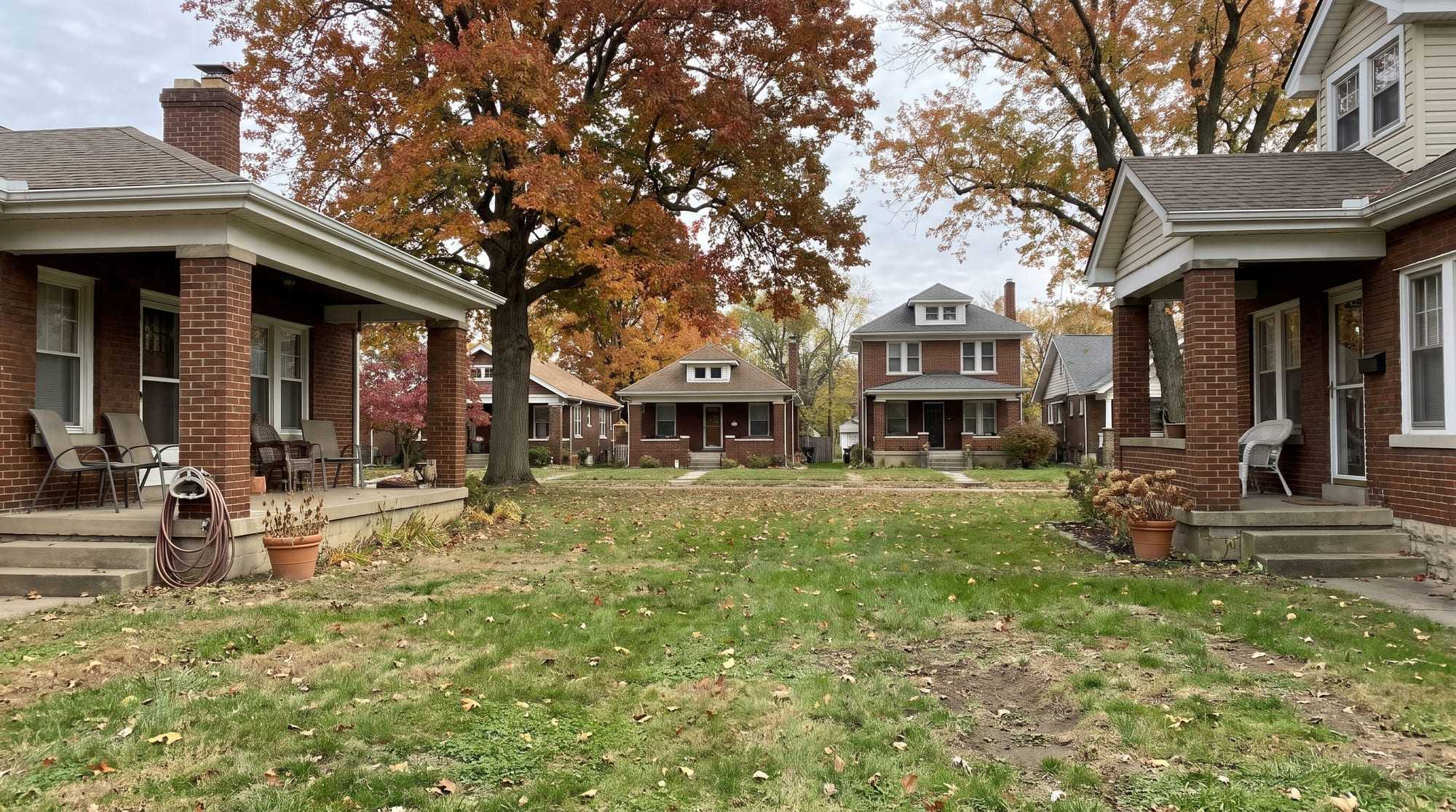
Corryville Restoration works in Cincinnati and in neighborhoods such as Clifton, Oakley and Norwood, on single-family houses, brick rowhouses, rental buildings and small commercial spaces. The damage across that area is familiar: burst pipes, wet basements, smoke and mold. The buildings, on the other hand, vary a great deal, and the building decides much of how the work is done.
Communities and ZIP Codes
Each community is listed with its ZIP code. Where two neighborhoods share one, as Corryville and Mount Auburn do, both appear by name.
| Community | ZIP Code |
|---|---|
| Corryville | 45219 |
| Clifton | 45220 |
| Over-the-Rhine | 45202 |
| Mount Auburn | 45219 |
| Avondale | 45229 |
| Walnut Hills | 45206 |
| Northside | 45223 |
| Norwood | 45212 |
| Hyde Park | 45208 |
| Oakley | 45209 |
Neighborhood Housing and the Work It Calls For
The older brick rowhouses of Over-the-Rhine and Mount Auburn often keep their original plaster on wood lath and their tall ceilings. Plaster usually survives a clean-water leak better than drywall and can often be dried in place, but it dries slowly and can hold moisture behind a surface that looks sound. Solid brick walls take up water and give it back just as slowly, and a tall room holds a large volume of air for the dehumidifiers to work through, so drying in these buildings tends to take longer than the stain alone suggests.
A sagging plaster ceiling can fall. When a plaster ceiling bulges, sags or drips after a leak above it, the weight of the water can pull the plaster off its lath without warning. Keep people and pets out of the room beneath it until it has been looked at.
On the hillside streets, many houses have basements cut into the slope, with the uphill wall below ground and the downhill side close to grade. Water tends to come through that uphill foundation wall, or through the joint where the wall meets the floor, after heavy spring rains and summer thunderstorms. Where a sump pump guards the low corner, a pump that fails during a storm is one of the usual ways such a basement floods. In a finished basement that usually means a flood cut along the wet walls, removal of soaked carpet and pad, and drying of the slab and the bottom of the framing.
The larger houses of Hyde Park and Oakley change the scale rather than the method: more finished rooms, several bathrooms and, often, a finished basement. A supply line that fails on an upper floor can send water through two ceilings on its way down, so the drying has to reach every level the water passed through, not only the room where it started. A finished basement in such a house often holds carpet, built-in shelving and a bathroom of its own, each adding materials to remove or dry.
Property Types Across the Area
Within these communities the work covers four kinds of property: single-family houses, brick rowhouses, rental buildings and small commercial spaces. In a house or a rowhouse the household is often still living there, so restoration has to be planned around a bathroom and a kitchen that need to stay in use, furniture that has to be moved and protected, and rooms brought back into use one at a time.
Rental buildings, including houses divided into apartments, and small commercial spaces along neighborhood business streets add tenants and business hours to that planning. A leak that starts in one apartment seldom stays there, and a shop beneath an apartment may need to reopen while the unit above is still drying. Those situations are the focus of commercial and rental restoration.
Addresses Outside the Listed Communities
For a property outside the listed communities, ask before counting on a visit. Book an appointment with the full address and a short description of the damage, or call, and the reply will say whether a visit can be arranged.
A few details make that answer straightforward: the street address, what caused the damage, which rooms or floors are affected, and whether water, smoke or odor is still spreading. Those points are enough to judge whether the job can be taken on, and they are the same details that start any restoration job, inside the listed communities or outside them.
Booking Work at an Address in the Area
For damage at an address in any of these communities, book an appointment, or call to talk it through before a visit.